CISA’s new resources outline eight cybersecurity objectives to help K-12 schools and districts strengthen their defenses against growing cyber threats.

The legislation would give EPA new authority to assess cyber risks and require fixes at water utilities while boosting federal cybersecurity funding.
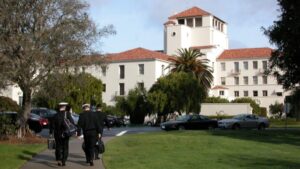
The multi-day event at the Naval Postgraduate School will bring together Marines, government agencies, industry, and academic partners to develop AI-enabled solutions using military resources.

The University of California, Los Angeles (UCLA) said on July 31 that it completed the core build and pilot phase of a major campus network modernization effort.

Santa Fe Public Schools has paused use of New Mexico’s state-required Amira reading software amid concerns about student privacy, including the program’s recording of students’ voices and use of data to train its products.

Cyber agencies warn that Gunra ransomware affiliates are exploiting internet-facing vulnerabilities to steal and encrypt data across critical infrastructure sectors.

New York Gov. Kathy Hochul announced on Aug. 3 more than $9 million in cybersecurity grants for 153 local government water and wastewater projects across the state, funding assessments and security upgrades aimed at protecting critical infrastructure from cyber threats.
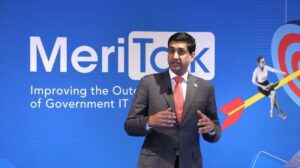
The proposal would give communities greater say over AI data center development while targeting concerns about electricity costs and water use.

The University of Maryland (UMD) will serve as the lead academic partner for the 2026 Quantum World Congress as the event moves to College Park, Md., organizers announced on Aug. 3.

Students representing all 50 states developed a national framework for responsible artificial intelligence (AI) use in K-12 public schools, proposing rules for academic work, student privacy, automated decisions, and human oversight.