
The University of California, Los Angeles (UCLA) said on July 31 that it completed the core build and pilot phase of a major campus network modernization effort.
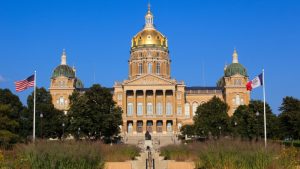
Iowa Gov. Kim Reynolds announced on June 9 that the state will migrate executive branch data from outdated physical servers and multiple data centers to a cloud environment through Amazon Web Services (AWS), and Cognizant Government Solutions will take over day-to-day IT operations.

New legislation introduced in the U.S. House of Representatives would authorize $500 million annually from fiscal years 2027 through 2030 – totaling $1 billion in funding over four years – for a new federal grant program aimed at helping state and local governments modernize aging technology systems and strengthen cybersecurity.

Kansas Secretary of State Scott Schwab announced Tuesday a new digital regulation platform designed to replace a 60-year-old paper-based system used by state agencies, boards, and commissions to write, submit, and edit rules and regulations.

Minnesota is one step away from a sweeping overhaul of the technology systems that power human services programs statewide after lawmakers on May 17 unanimously approved modernization legislation.

The North Carolina State Board of Elections and the Office of the State Auditor (OSA) stood up a new commission to advise the state’s ongoing effort to modernize its election management platform.

The Internal Revenue Service (IRS) has officially suspended its free online tax filing service Direct File after the program came under fire by Republicans and the Trump administration.

The University of Arizona has made some major IT investments over the past year, and those are only going to grow under its new IT strategy set to launch early next year, the university interim chief information officer said, pointing to improved IT service delivery wins.
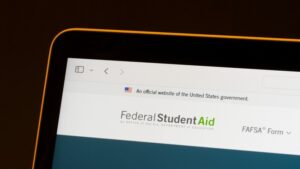
The Department of Education’s online system that millions of Americans use each year to submit applications for student financial aid has critical modernization delays and errors that the agency is no longer addressing, according to a federal watchdog.

Technology grants totaling more than $1 million are being awarded to libraries across the state of Illinois to bolster services in underserved areas.
Stay Connected

